Buying a rug online sounds simple. Until it isn’t.
Your customer loves the pattern. The colour feels right. Then the doubt creeps in.
Will a 6×9 overwhelm the room? Will it float awkwardly under the sofa? Will the colour clash once it’s actually down?
That moment of uncertainty is where conversions quietly die.
It’s also why letting shoppers see a rug in their own space helps them commit, and why 3D room visualization has become a core tool for rug retailers.
Let’s break down why.
The Rug Visualization Problem (and Why It’s Costing You Sales)
Rugs are uniquely hard to sell online.
Unlike furniture, they don’t come with obvious reference points. A “medium” rug means nothing without context. Flat product photos strip away scale, depth and spatial confidence, the details customers need to commit.
The most common friction points we see with rug retailers:
- Size confusion (especially for open-plan spaces)
- Difficulty visualizing placement under furniture
- Fear of colour or pattern overpowering the room
- “I’ll think about it” moments that turn into abandoned carts
Heritage retailers like Hali Rugs recognised this early. Their customers loved the craftsmanship, but struggled to confidently choose the right size online. The solution wasn’t more lifestyle photography. It was letting customers preview rugs at true scale in their own rooms.
Enter the Rug Visualizer: From Flat Images to Real Confidence
Imersian’s Rug Visualizer is built specifically for how people actually shop for rugs.
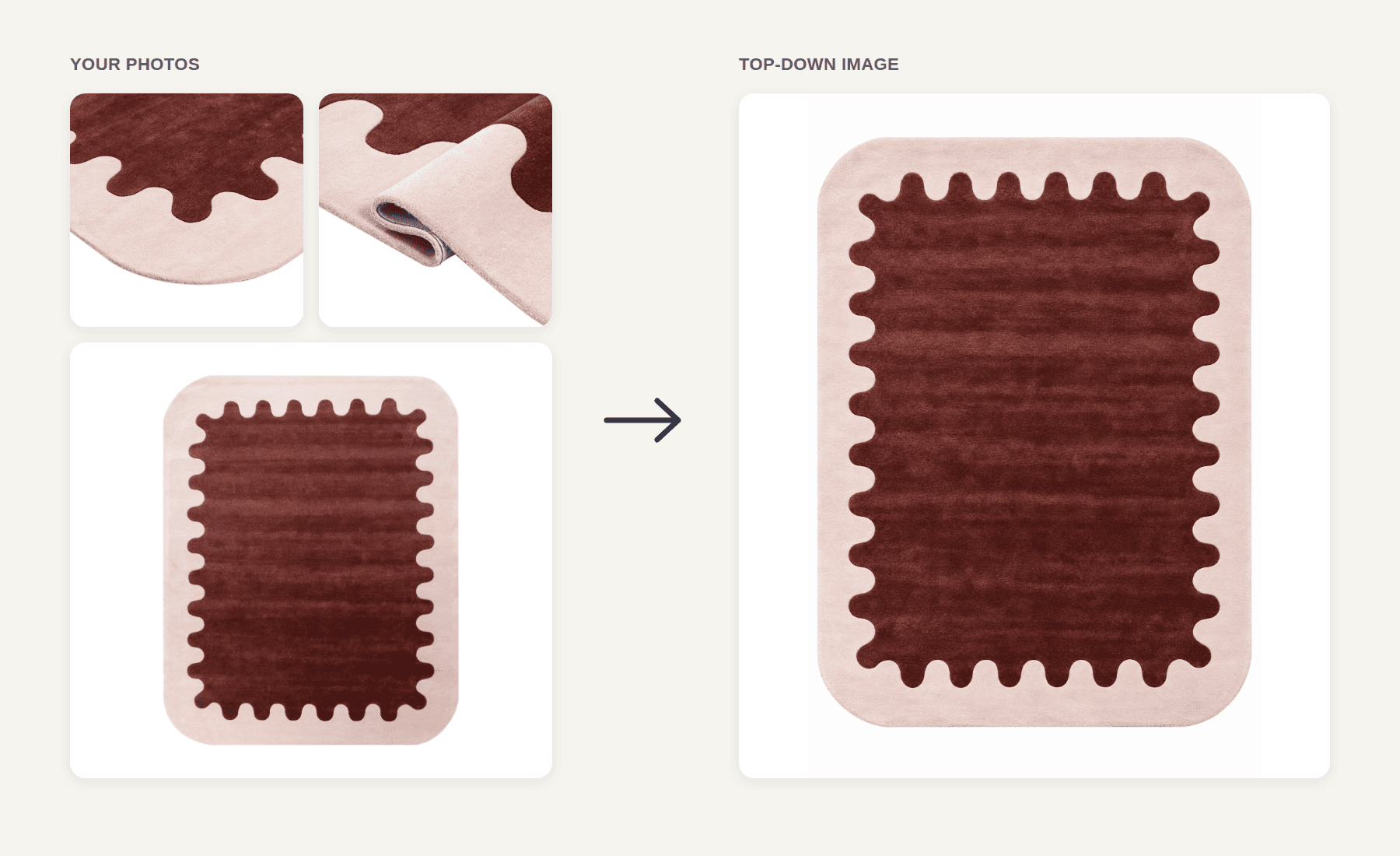
Using spatial AI, we turn standard flat rug images into realistic 3D rugs that customers can place directly into a photo of their own room. No measuring tape, no guesswork.
Here’s what makes it work:
- Auto-generated 3D rugs from existing product imagery
- True-to-scale placement inside the customer’s real space
- Ability to move, rotate and resize rugs naturally
- Rugs sit under the furniture already in the room
- No new photography, no complex setup, just connect your catalogue
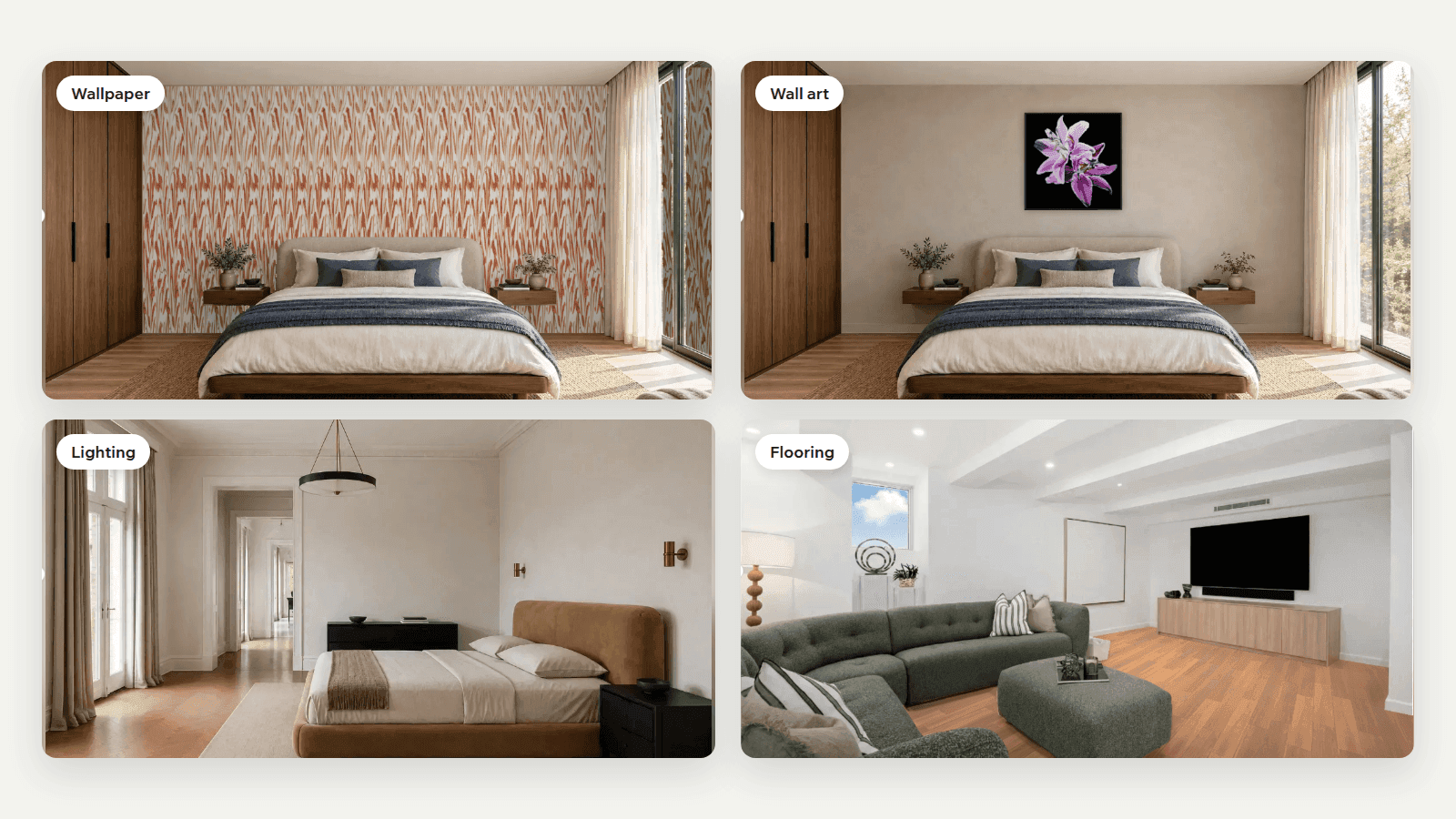
For cluttered or busy spaces, shoppers can even use Magic Eraser to remove distractions before styling because design decisions are easier when the room feels calm.
Want the bigger picture? Our Visualizer Overview breaks down how the full experience works across rugs and furniture.
Real Results: What Happens When Customers Can See It
This isn’t about novelty. It’s about performance.
Retailers using Imersian consistently see:
- Longer browsing sessions
- Faster decision-making
- Fewer “wrong size” returns
- Average Visualizer session
- 5+ min
- Across retailers
- Shoppers who use a photo of their own room
- 2 in 3
Here’s what that looks like in the real world:
- Four Corners Rugs reported an increase in average order value after adding the visualizer (case study). Shopify reports Rebecca Minkoff shoppers were 65% more likely to place an order after interacting with a product in AR (Shopify).
- Tufenkian Artisan Carpets sells premium, hand-knotted rugs, a considered purchase that benefits from spatial clarity.
- Hali Rugs reduced size-related hesitation by letting customers preview rugs at true scale in their own living rooms.
You can explore these stories in more detail in our
Hali Rugs case study,
Tufenkian case study, and
Four Corners case study.
What This Means for Rug Retailers
3D room visualization doesn’t just help customers imagine, it helps them decide.
The key benefits are simple but powerful:
- More confident buyers who commit faster
- Longer on-site engagement without friction
- Lower return rates driven by size and style mismatch
- A premium shopping experience that reflects the quality of your rugs
Most importantly, it turns inspiration into action without adding complexity for your team.
If you’re exploring what this could look like for your catalogue, the Rug Visualizer page is a great place to start.