The short answer
No. 3D product modeling is no longer slow or expensive. The belief comes from the way 3D used to be made.
With Imersian, you send the product photos and dimensions you already have, and Imersian builds the 3D models. There is no 3D work on your side. Models for rugs and other flat products are free, and furniture and home decor models use credits. Retailers go from onboarding to a live View in room button within two weeks.
Here is what changed, what it costs now, and what onboarding looks like step by step.
Why 3D modeling got a reputation for being slow and expensive
For years, getting a product into 3D meant commissioning a 3D artist or agency for every SKU. The usual process looked like this:
- You supplied CAD files, technical drawings or multi-angle photography, and sometimes the physical product.
- The modeler quoted per model, with more for complex shapes, materials and colorways.
- Models came back in batches over weeks, with rounds of revisions in between.
- Every new product or colorway started the process again.
For a retailer with hundreds or thousands of SKUs, that became a project with its own budget and timeline. It made 3D feel like something only the biggest brands could afford across a whole catalog.
How long does it take to create 3D models for furniture and rugs now?
Weeks, not months, for a full launch. Imersian onboards a retailer to live within two weeks, and our fastest go-live has been under 48 hours. You don't model anything yourself: the models are built from the photos already on your product pages.
How much does a 3D product model cost?
It depends on the product:
- Rugs and other flat products: free. Every rug still gets its own 3D model, at its real size, with its own pattern and color. You don't pay to have it built.
- Furniture and home decor: credits. Sofas, chairs, tables and other furniture models are built with credits. See pricing for current plans.
- Models you already have: welcome. If you have 3D files for some products, you can use them instead.
Custom 3D work from an agency is still an option for unusual products. The difference is that you no longer need it to put a catalog into 3D.
What retailers need to provide
- The product photos you already have. For rugs, a top-down photo.
- Product dimensions.
- Access to your catalog. On Shopify, the Imersian app syncs the products you tag; on other platforms, our team connects your catalog with you.
That is all. No CAD files, no new photoshoot and no 3D software.
How Imersian onboarding works, step by step
- Connect your store or catalog. On Shopify, install the Imersian app and tag the products you want in the Visualizer; tagged products sync every 24 hours. On other platforms, our team sets up the connection with you.
- We build the 3D models from your photos. Imersian turns your product photos and dimensions into true-to-scale 3D models with AI 3D Creator.
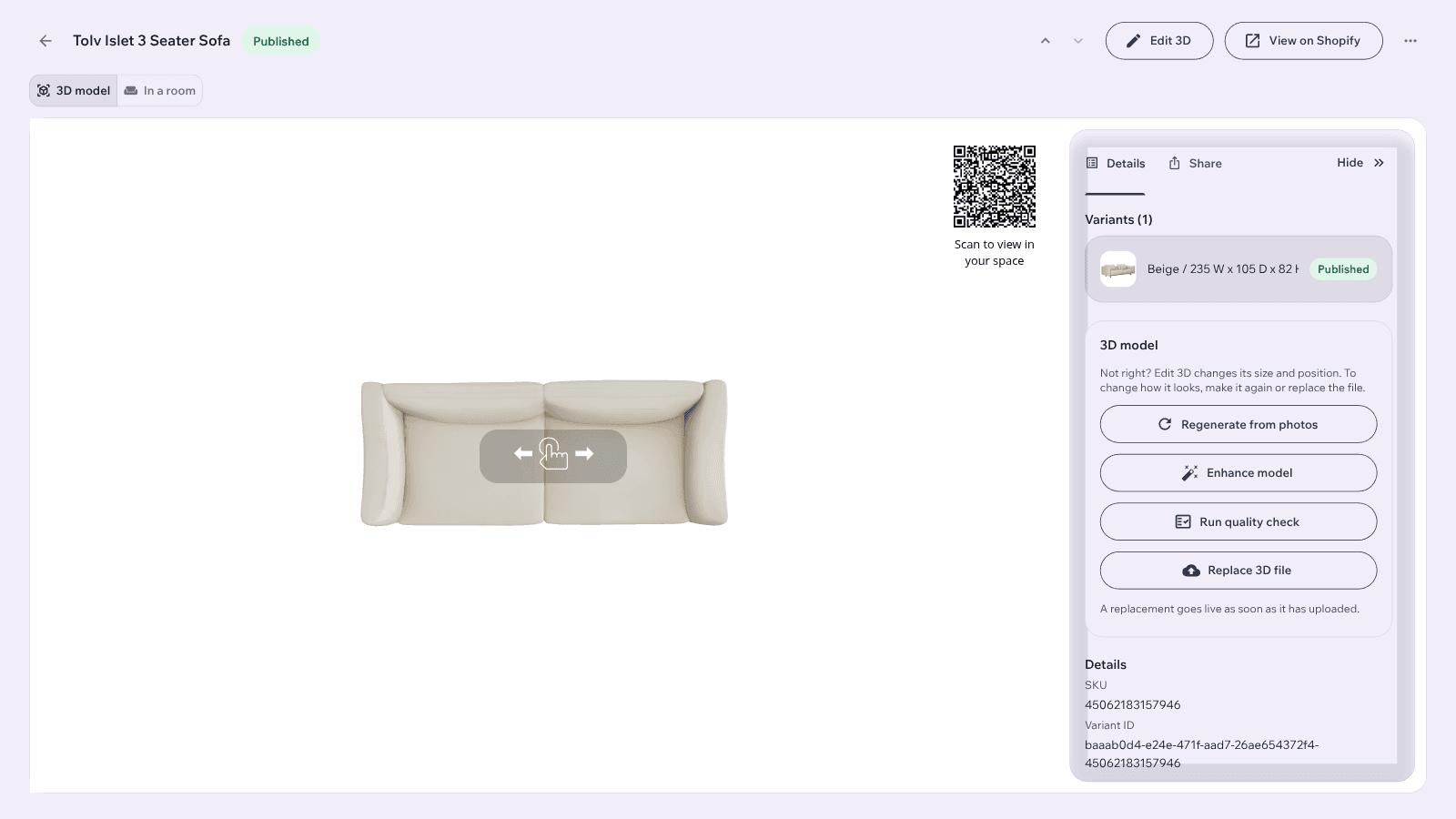
- You review. Every model appears on its product page in the Imersian Portal with a 3D view and an AR preview. A one-off onboarding fee applies, and you can replace any model.
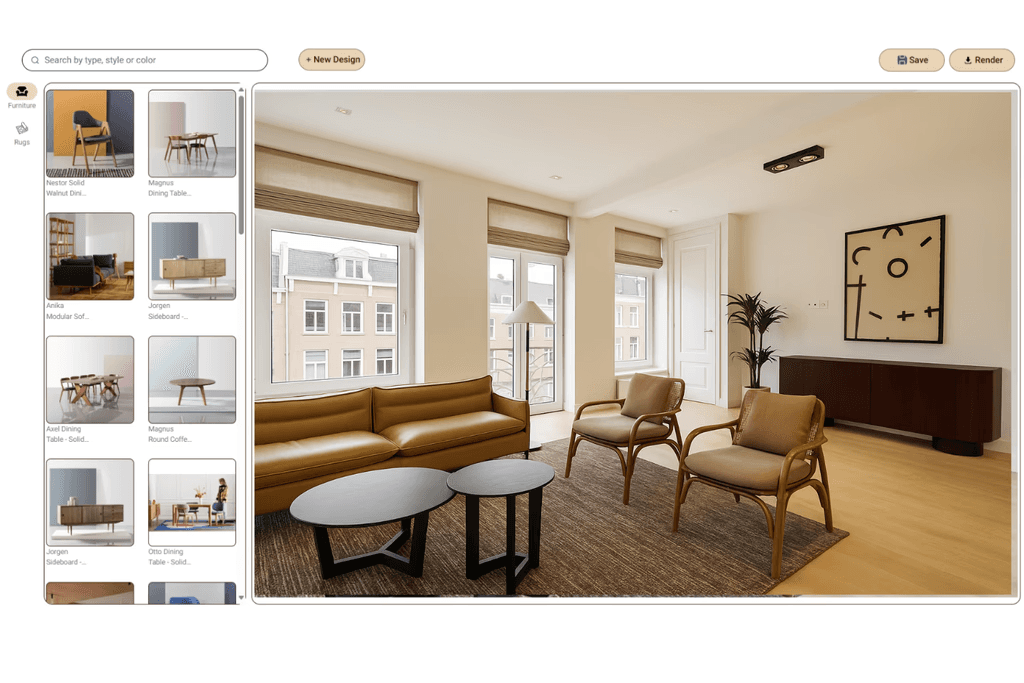
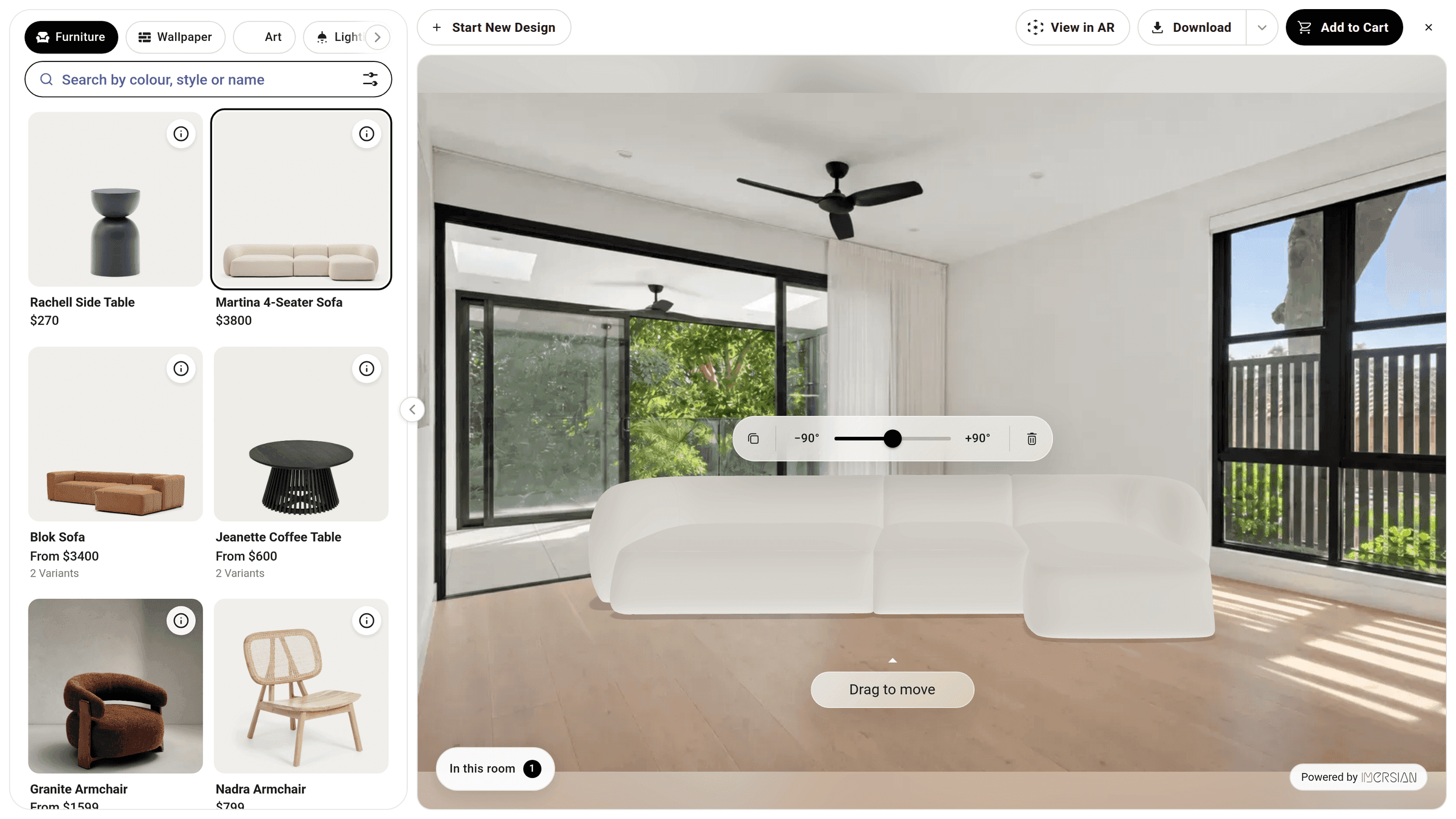
- Go live with the View in room button. The button sits on your product pages and follows your theme. Shoppers upload a photo of their room and place your products at true scale.
Why real 3D models are worth it
Some tools skip the model and generate an image of the product in the room instead. That is quicker to set up, but the product is redrawn each time, so its size, pattern and details can change. A 3D model keeps the product exact and true to scale, which is what a shopper needs to decide whether it fits. We compare the two approaches in 3D vs AI room visualizer: why 3D wins for furniture and decor.
What this means for rug and furniture retailers
- Rug retailers can put a whole catalog into the Imersian Visualizer without paying for models. See Imersian for rug retailers.
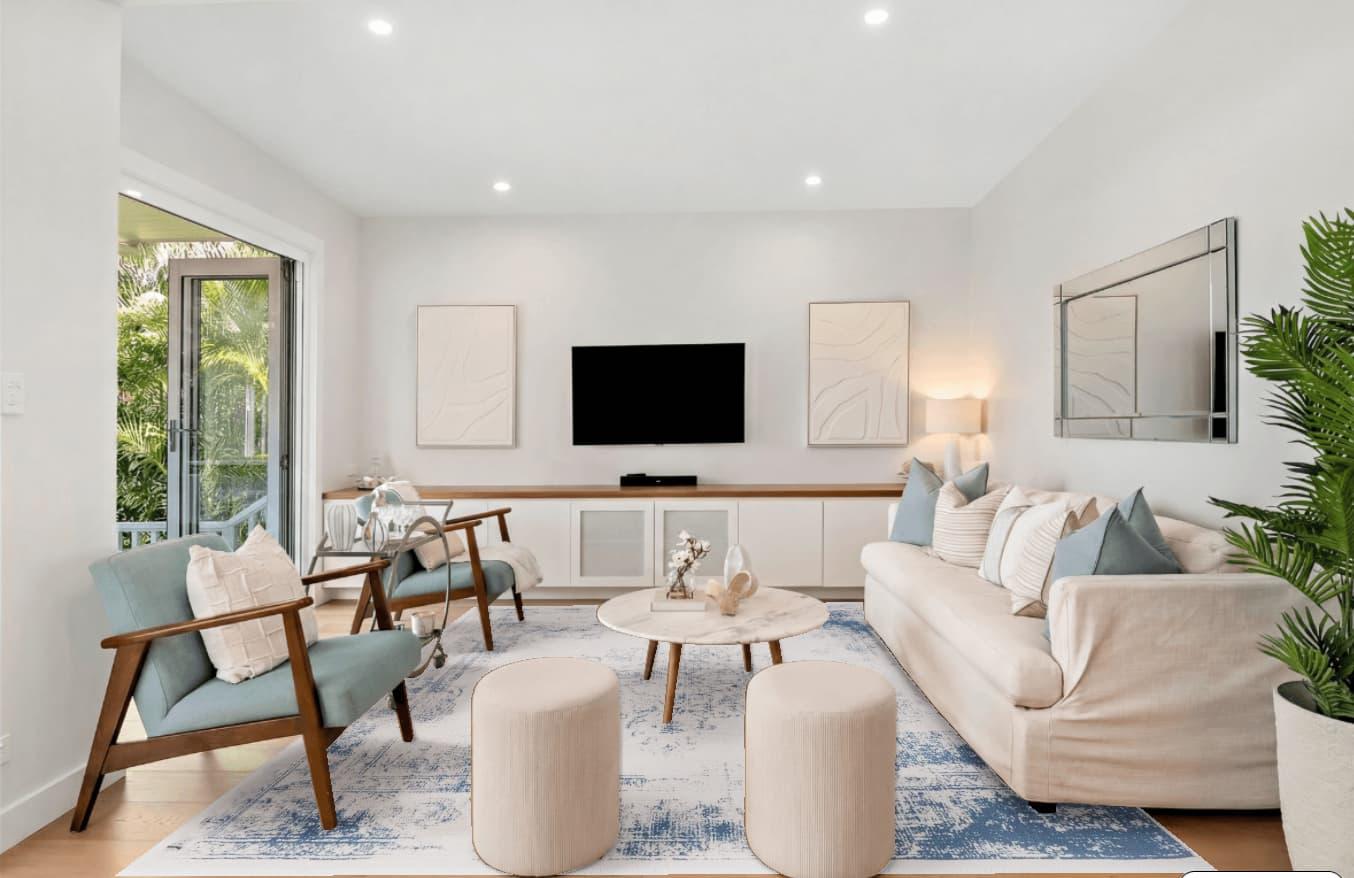
- Furniture retailers get 3D models of sofas, chairs and tables from their existing photos, with AR on the same model. See Imersian for furniture retailers.
The payoff is shopper time with your products. Capel Rugs shoppers spend an average of 6.4 minutes in the visualizer.